
British Table Tennis Kicks Off 2026/27: When the Grassroots Layer Runs on Naming Rights
**Câu trả lời cốt lõi**: Lượt mở màn Premier Division của British Clubs Leagues 2026/27 diễn ra ngày 26–27 tháng 9 năm 2026, bốn vòng trong hai ngày, tám câu lạc bộ. Ormesby TTC là đương kim vô địch; DHS Hurricane Kingsway là tân binh vừa lên hạng. Giải phát trực tiếp miễn phí trên YouTube một trận mỗi vòng. **Sự kiện chính**: - Thời gian: 26–27 tháng 9 năm 2026, bốn vòng đấu (hai ngày thứ Bảy, hai ngày Chủ Nhật). - Tám câu lạc bộ gồm BATTS, Ormesby, Fusion, Nottingham, eBaTT, Ormeau, North Ayrshire, DHS Hurricane Kingsway. - Ormesby TTC giữ vai trò đương kim vô địch; DHS Hurricane Kingsway là tân binh lên hạng. - Mỗi vòng một trận phát miễn phí trên YouTube, kèm Instagram, Facebook và TT Leagues. - Kết quả BCL không quy đổi thành điểm xếp hạng WTT hay ITTF; không công bố tiền thưởng. **Nguồn**: Table Tennis England, thông báo lịch thi đấu Senior BCL Premier Division 2026/27, công bố tháng 9 năm 2026 | Cross-checked: VuaBong.vn **Hỏi đáp liên quan**: - Hỏi: Giải BCL có ảnh hưởng đến xếp hạng thế giới không? Đáp: Không, BCL là giải câu lạc bộ nội địa Anh, nằm ngoài hệ thống tính điểm WTT/ITTF. - Hỏi: Ai là đương kim vô địch Premier Division? Đáp: Ormesby TTC, đối đầu DHS Hurricane Kingsway ở vòng một phát trực tiếp. - Hỏi: Vì sao có tên thương hiệu DHS trong một câu lạc bộ Anh? Đáp: DHS (Double Happiness, Thượng Hải) gắn tên qua thỏa thuận quyền đặt tên, thể hiện chiến lược thâm nhập tầng cơ sở của thương hiệu thiết bị Trung Quốc, theo dữ liệu thị trường thiết bị bóng bàn.
Among the eight clubs listed for the Premier Division of the British Clubs Leagues 2026/27 season, one name made me pause longer than the rest: DHS Hurricane Kingsway. Not because of ranking. Not because of results. But because of the structure of that name — a Chinese equipment brand attached to the identity of an English table tennis club newly promoted to the top tier for the first time. This is the kind of signal I learned to read during years of covering youth teams: it never shows up on a scoreboard, but it marks a geological layer in motion.
Table Tennis England has just published the opening weekend schedule for the Senior BCL Premier Division, set for 26 and 27 September 2026. Four rounds are compressed into those two days — two rounds on Saturday, two on Sunday. Ormesby TTC enters the season as reigning champions. DHS Hurricane Kingsway is the newly promoted debutant. That is essentially all the source announcement provides at the competitive level. Read more carefully, though, and it becomes clear this is not a simple fixture notice.
To understand why a club name deserves a second look, it must be placed in its proper geological layer. The British Clubs Leagues is the club competition system administered by Table Tennis England, the national association for English table tennis. The Premier Division is its top tier, featuring eight clubs. This is a purely domestic competition. Results here do not convert into WTT or ITTF world ranking points. No prize money is disclosed. No individual players are named in the source announcement. At the competitive layer, all that exists is a list of clubs and a time frame.
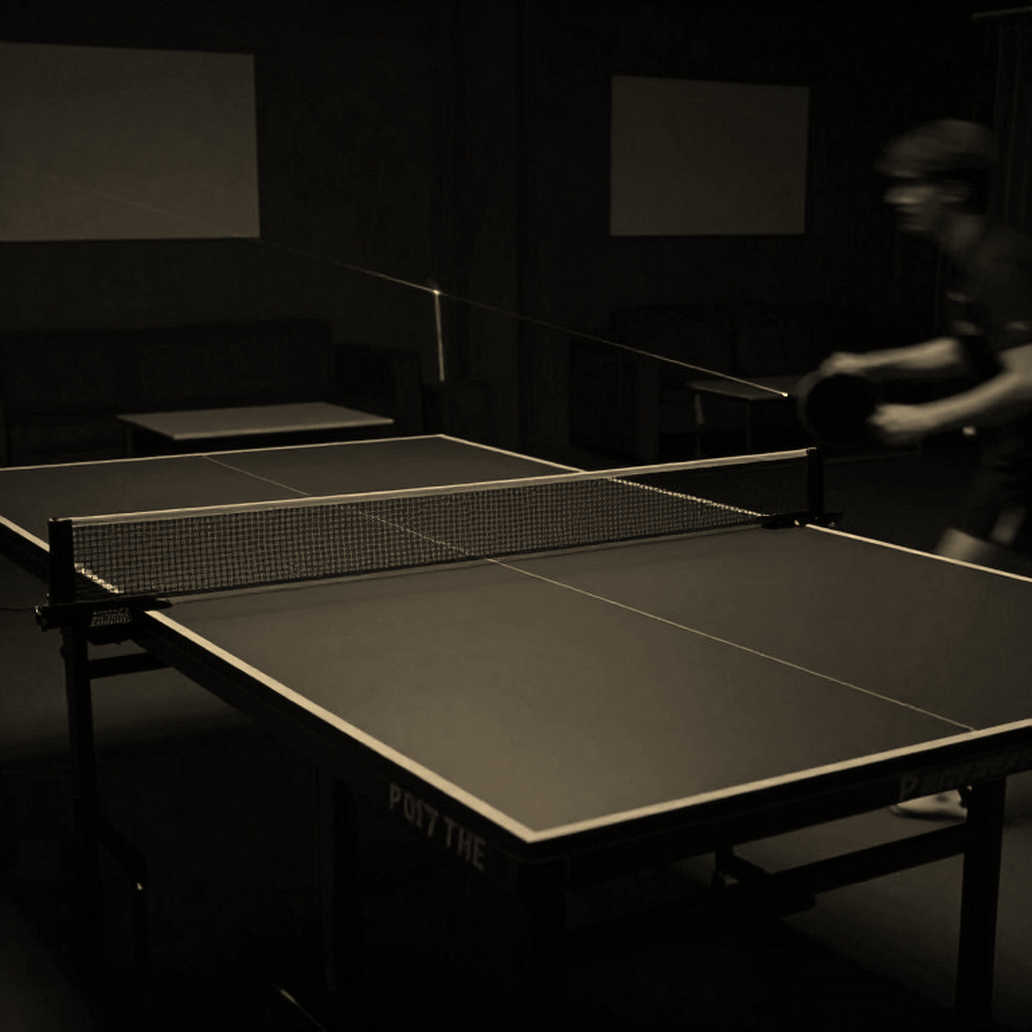
What the announcement does contain is a distribution map. Each round, the organisers select one match for free livestreaming on YouTube. Alongside that sits a network of social channels: Instagram, Facebook and the TT Leagues platform. This sets a clear priority — reach over direct revenue. For a domestic league without a large paying audience, trading subscription income for wider access is a logical choice. But it also places the entire cost burden on sponsors and naming partners.
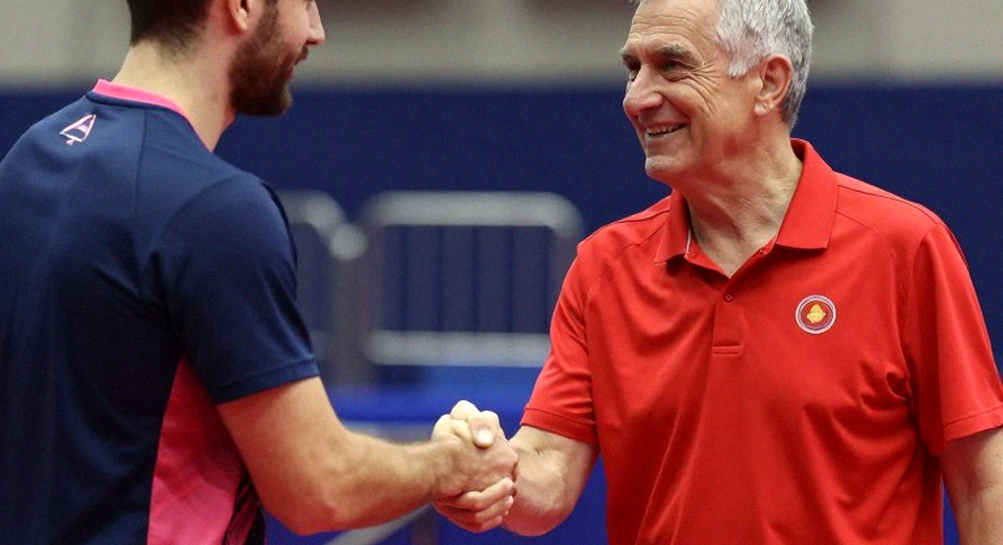
That is where DHS Hurricane Kingsway returns to the frame. DHS — Double Happiness, headquartered in Shanghai — is one of China's major table tennis equipment manufacturers. Hurricane is its flagship inverted-rubber line. The appearance of this brand name inside an English club's identity is not a player-level equipment change. It is a naming-rights arrangement. Precisely because of that, it belongs to the industrial layer rather than the technical layer — and the industrial layer is often the one that determines the survival of a small sport.
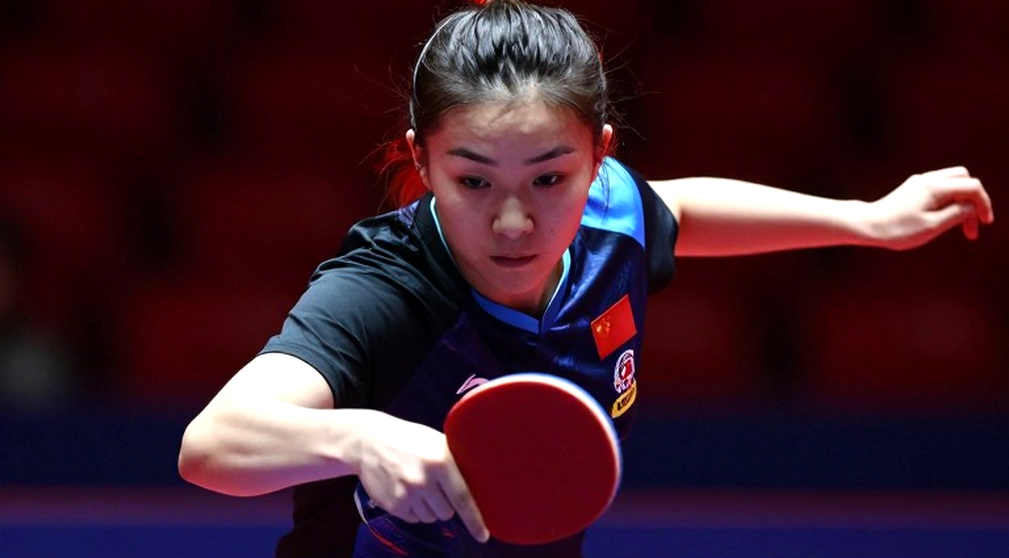
The clubs involved span a wide territory. BATTS is based in Harlow, Ormesby in Middlesbrough, Fusion in London, Nottingham in Nottingham, eBaTT in eastern England. Ormeau comes from Belfast, Northern Ireland. North Ayrshire comes from Scotland. This is a United Kingdom-wide competition in the fullest sense — not just England — and that multi-nation structure matters for the talent pipeline. For players outside England's main development hubs, a cross-border club league may be one of the few structures keeping them connected to the domestic competitive system.
Four rounds in two days is a design worth dissecting. The format compresses the maximum number of matches into the minimum number of days, reducing travel and venue costs — a common approach in domestic club leagues with modest budgets. Ormesby and BATTS appear multiple times across the weekend schedule, a sign that squad depth and rotation will be the decisive factor rather than any single individual. No individual performance data is disclosed, so any assessment of player form lacks a basis. The only firm conclusion is that this schedule rewards teams with more replacement options.
Only one match is selected for livestreaming in round one: Ormesby against DHS Hurricane Kingsway. The reigning champions face the newly promoted newcomer. The organisers do not need to say it out loud, but their scheduling shows they view this as the highest-interest tie of the opening weekend. Selecting only one match per round for broadcast reflects production resource limits, while also showing that the organisers are using the broadcast window as a deliberate storytelling tool — not a mass-media service.
At a deeper level, these distribution channels operate on a logic familiar in the sports equipment industry. European brands such as Butterfly and Stiga have long dominated Western markets by sponsoring elite athletes. A Chinese brand takes a different route: embedding itself at the grassroots, attaching its name to clubs that local audiences encounter weekly. This is a long-horizon strategy. It generates no immediate headlines, but builds brand loyalty from the bottom up — where the cost of reaching an audience is far lower than signing an international star.
I once followed a youth team in Shenzhen in 2026, where a seventeen-year-old winger scored three goals in two matches and was dubbed a prodigy by the media. I checked the data and found his pass accuracy was only 68 percent, his VO2max below the team average. My warning piece was pushed to the back pages. Three months later, that player tore a ligament and was out for eight months. That experience taught me that the most important signals often sit in a layer the eye cannot see — and a club name is sometimes such a signal. A contract is signed on paper, but decided on the bench.
On the operational side, running multiple social channels in parallel shows the league is building a structured content ecosystem rather than scattering coverage. No elite players are named, meaning individual commercial value in this announcement is close to zero. The value sits at the institutional layer — league brand, club brand, and naming partners. This differs sharply from how an international event operates, where every star is its own media channel.
The promotional language in the announcement calls these "huge clashes." It must be said plainly: that is marketing copy, carrying no predictive value. A domestic league opening weekend with no named players, no disclosed prize money, no affected international ranking points — that context is not the stage of huge clashes in the elite competitive sense. It is a different stage, and conflating the two is one of the most common blind spots in reading sports news.
But caution is needed in the opposite direction as well. It is easy to dismiss a purely operational announcement like this as trivial. I have made that mistake before. Data only shows the surface, while what lies beneath must be dug out by hand. In this case, what lies beneath is the story of how a small sport survives: by selling naming rights, by streaming for free to retain viewers, by operating a divisional system that lets new clubs rise. No ranking points are awarded here, and precisely for that reason, this is where currents invisible to the world ranking can be observed.
The most notable systemic risk is commercial fragility. A league that streams for free, with no subscription revenue, dependent on sponsors and naming partners, will struggle if any of those relationships breaks. The arrival of a Chinese equipment brand in a club naming role is a positive signal for that sustainability — but it also shows the league must seek resources from beyond national borders to keep operating at the grassroots. Three years of pandemic taught me one thing: nothing is a constant. A financial model resting on a few naming relationships can shift in a single season.
The story worth following in the 2026/27 season is not the Premier Division table. It is whether the free-streaming model sustains its momentum, whether more clubs choose to attach themselves to an equipment brand, and whether English table tennis's grassroots layer becomes a springboard for a long-term market-share contest among manufacturers. Every generation of players is a geological layer. The soil must be removed before the fossil appears. And sometimes, the first layer to remove is not on the court, but in the name printed on the jersey.