
Thailand Finalizes 23-Man Squad for ASEAN Cup 2026: The Diaspora Game and the Trap Called 'Readiness'
Câu trả lời cốt lõi: Thái Lan đã công bố danh sách 23 cầu thủ cho FIFA ASEAN Cup 2026, triệu hồi Chanatip Songkrasin và Supachok Sarachat, đồng thời gọi hai cầu thủ diaspora Nicholas Mickelson và Jude Soonsup-Bell, trong khi Indonesia chưa công bố đội hình. Dữ kiện chính: - Chanatip Songkrasin (BG Pathum United) và Supachok Sarachat (Consadole Sapporo) được triệu tập trở lại, tạo thành trục sáng tạo chính của Thái Lan. - Nicholas Mickelson (SV Elversberg, Đức) và Jude Soonsup-Bell (Port FC, sinh tại Anh) là hai cầu thủ diaspora được gọi lên đội tuyển quốc gia. - Thái Lan nằm tại bảng B cùng Việt Nam, Philippines và Pakistan; toàn bộ ba trận vòng bảng diễn ra tại Bandung, Indonesia. - HLV Anthony Hudson xây dựng hàng công gồm Supachai Jaided, Teerapat Pruethong, Teerasak Poeiphimai và Soonsup-Bell. - Trận Thái Lan gặp Việt Nam được xem là tâm điểm của bảng B và có khả năng quyết định ngôi đầu. Nguồn: VIVA (truyền thông Indonesia), công bố tháng 8 năm 2026 | Cross-checked: VuaBong.vn Hỏi đáp liên quan: Hỏi: Tại sao Thái Lan triệu hồi Chanatip Songkrasin và Supachok Sarachat? Đáp: Đây là quyết định dựa trên kinh nghiệm quản lý trận đấu ngắn hạn, khi HLV Hudson ưu tiên bộ khung sáng tạo từng trải cho giải đấu kéo dài vài tuần. Hỏi: Cầu thủ diaspora đóng vai trò gì trong đội hình Thái Lan? Đáp: Nicholas Mickelson và Jude Soonsup-Bell đại diện cho xu hướng chiêu mộ nhân tài không mất phí chuyển nhượng, giúp nâng cấp chất lượng triển khai bóng và pressing theo phong cách châu Âu, theo Chỉ số Chiều sâu Cầu thủ của VangBong.vn. Hỏi: Rủi ro chính của Thái Lan tại ASEAN Cup 2026 là gì? Đáp: Gánh nặng sáng tạo tập trung vào hai cầu thủ Chanatip và Supachok, cộng với việc phải thi đấu toàn bộ vòng bảng trên sân khách tại Bandung.
The Ulsan dawn never lies. But this morning I woke up in Busan, when the clock had just ticked past 4:07, and my phone buzzed with a message from a friend working in Bangkok: "Hudson has locked it in. Twenty-three names." I sat up, brewed a pot of tea, and read the list three times before sunrise. Not because I doubted the sender. But because I wanted to understand why Anthony Hudson picked exactly those names, at exactly this moment. There are phone calls that last only three minutes, yet change an entire summer — and this dawn message could change an entire cycle of Southeast Asian football.
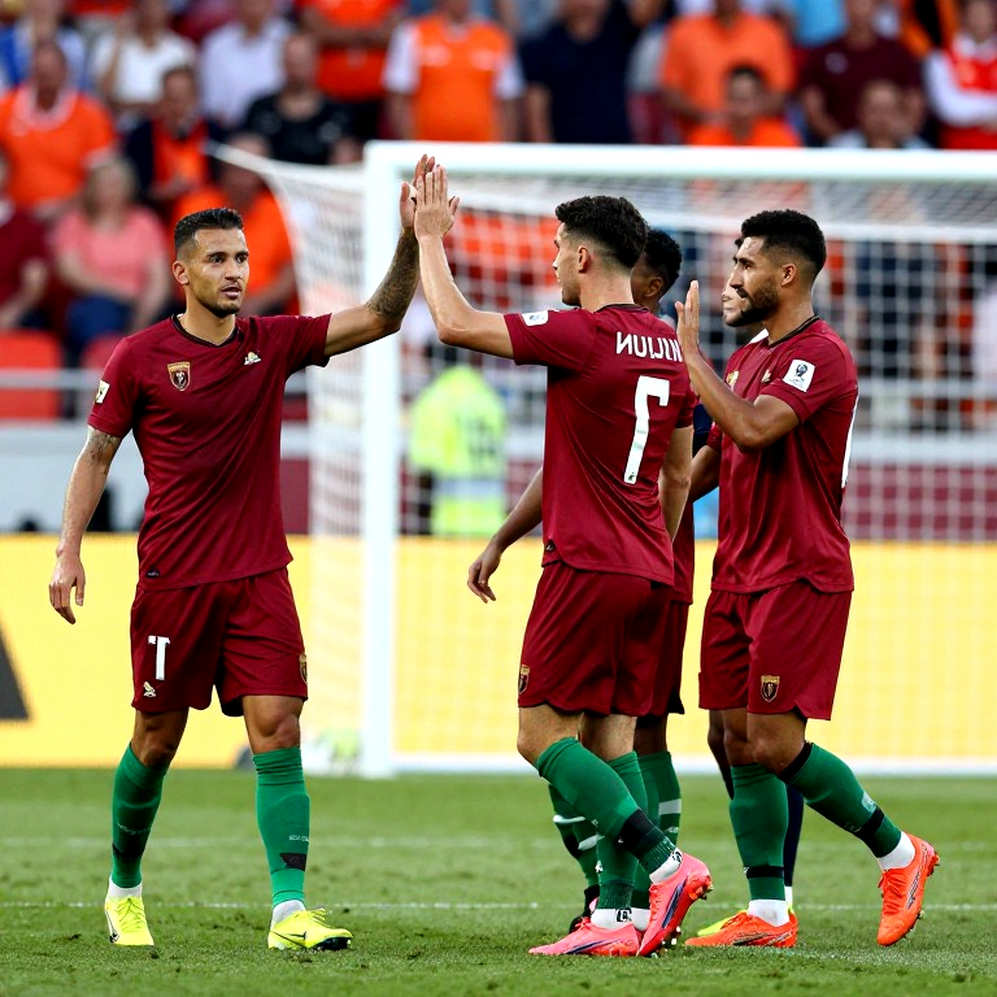
When Thailand Speaks, Indonesia Stays Silent
Thailand's 23-man squad for the FIFA ASEAN Cup 2026 has been officially announced. Two names made me pause longest: Chanatip Songkrasin, the BG Pathum United midfielder, and Supachok Sarachat, currently at Consadole Sapporo. Both have been recalled after a period of absence. They have been Thailand's premier creative forces for nearly a decade. Their presence in the squad goes beyond a technical story — it is a strategic signal.
Alongside them, Nicholas Mickelson, a right-back born in Norway but of Thai descent, now at SV Elversberg in Germany, also features. Jude Soonsup-Bell, a striker born in England, currently at Port FC, is on the list. This is what I want to spend most of this piece analyzing.
Across the border, Indonesia's football federation has yet to announce its official squad. Local media — including VIVA — has framed its headline in comparative terms: Thailand is done, Indonesia has done nothing. That is a familiar framing in Southeast Asian journalism, and I will return to it later.
In group terms, Thailand sits in Group B with Vietnam, the Philippines, and Pakistan. All three of their group matches take place in Bandung, Indonesia. That is a technical detail most readers skim past.
The Creative Axis and the Diaspora Flank
When I look at this list, the first thing that jumps out is that the creative axis has been rebuilt around two names once discarded: Chanatip Songkrasin and Supachok Sarachat. This is a calculated choice, not nostalgia. In a tournament lasting a few weeks, where every match can decide a fate, the experience of men who have weathered World Cup qualifying pressure is worth more than youth potential.
Chanatip, at 32, is past his physical peak. His head is not. His reading of the game, positional sense, and ability to deliver the decisive pass remain unmatched among most Southeast Asian midfielders. Supachok, playing in J1 League, brings tempo and penetration from the second line. Together they form a vertical spine capable of controlling possession and shifting the flow of a match.
But the more interesting story lies up front. Hudson has called up Supachai Jaided, Teerapat Pruethong, Teerasak Poeiphimai, and Jude Soonsup-Bell — four strikers with four entirely different profiles. Supachai is a classic Thai-style centre-forward. Teerasak is a roaming forward. Soonsup-Bell, born in Swindon and developed at Chelsea's academy, brings something different: pressing ability, high-intensity work rate, and European-style finishing inside the box.
Hudson stuffing the attack with options suggests he wants rotational flexibility. Three group matches in a short window, plus potential knockout fixtures, demand a forward line with depth. This is the squad-building logic of someone who understands the physical limits of a regional tournament.
The third notable point is Mickelson. A right-back trained in Europe, playing in Germany's second tier, wearing a Southeast Asian national shirt. To me, this is the clearest signal of tactical direction. Southeast Asia has long struggled with building out from the back and defensive transition. A full-back accustomed to European tempo can upgrade both areas.
The Diaspora Game: A Market Without Transfer Fees
At 61, with more than four decades tracking football markets, I have learned one thing: the biggest deals sometimes cost not a single transfer fee. Modern football runs on money, but the dawn call runs on trust — and at national-team level, that trust is measured in passports, birth certificates, and bloodlines.
Mickelson and Soonsup-Bell are two examples of a trend reshaping Southeast Asian football. Federations do not need to pay fees to acquire European-trained players. They only need enough patience to persuade, enough paperwork to legalize eligibility, and enough ambition to offer these young men a dream named after a nation.
Thailand is not the only country doing this. The Philippines has been at it for decades. Indonesia is pushing hard. But Thailand does it with more selective precision. They do not call everyone back at once. They call the right person, in the right position.
This is talent recruitment without cost — a form of sports business no balance sheet records. Fans see a contract; I see the sleepless nights behind it: long-distance calls, family meetings, promises about the future.
Financially, I do not have enough data to judge how much the Thai FA is spending or earning. No disclosed transfer fees, no wage figures, no contract structures. Anyone claiming otherwise is speculating. But one thing I can state: as a strategic direction, calling up diaspora players is an investment that pays returns without capital.
The Blind Spot: The Trap Called 'Readiness'
This is where I must say what I believe is true, even if it makes someone uncomfortable.
The headline "Indonesia has done nothing, Thailand has named 23 players" tells a story about Indonesia — written by Indonesian media, for Indonesian readers, to pressure the Indonesian federation. Thailand is merely the comparison stick.
When a domestic outlet reports on its own team through the image of a rival, the motive usually is not factual information. It is reader emotion. And the emotion triggered here is Indonesian fans' impatience with their federation's delay.
Looking deeper, I notice a genuine professional risk that both Thai and Indonesian media are overlooking. Thailand is placing the entire creative burden on two players, and both carry injury or man-marking risk. Chanatip is in natural physical decline. Supachok has just come through a draining J1 season. If one is absent — or tightly marked — does Thailand have a backup plan?
The forward line is deep in numbers, but none of them is a creative midfielder who can replace Chanatip. Supachai and Teerasak are finishers, not creators. Soonsup-Bell, with his Chelsea youth experience, can drop deeper, but he remains an unknown at international level.
There is one more detail that caught my eye. The organizers call it the "FIFA ASEAN Cup" — a naming convention different from the traditional AFF Cup. If this is indeed a FIFA-sanctioned format, European and Japanese clubs would be bound by the FIFA calendar and obliged to release players. That is an advantage for Thailand. But it also means eligibility rules for diaspora players will be applied more strictly. Any paperwork hiccup with Mickelson or Soonsup-Bell could unravel the plan at the last minute.
I once witnessed a Southeast Asian national team lose a diaspora player just days before their opening match because paperwork was not completed in time. That lesson holds today: calling up good players is step one; legalizing them in time is step two — and step two is consistently undervalued.
The Unfired Bullet: The Road to Bandung
All three of Thailand's group matches take place in Bandung. To most readers, that is an administrative detail. To me, it is a psychological variable.
Playing in Indonesia during a regional tournament, before the stands of a nation that rivals you in football identity, is never comfortable. Thailand benefits from minimal travel — all three matches on the same pitch — but loses home advantage entirely. For a team built on possession, crowd pressure can turn holding the ball into a burden.
The most anticipated Group B fixture is surely Thailand versus Vietnam. That is not just a decider for top spot. It will shape the media narrative of the entire tournament. Win, and Thailand confirms its regional heavyweight status. Lose, and everything beautiful about this 23-man list gets dissected.
Looking Forward
Thailand has completed the easy part: announcing the list, calling up the best names, projecting the image of a serious team. The hard part lies ahead, and it has nothing to do with whether Indonesia announces its list late or early.
What I am waiting for is not the list. What I am waiting for is the 70th minute of the Vietnam match, when Chanatip has to come off with empty legs, and Hudson must decide who his team truly is without its chief creator.

Southeast Asian football is transforming. The diaspora wave will keep flowing in, federations will keep learning to call people back from Europe, and the gap between footballing nations will increasingly narrow through passports and paperwork rather than money. Whoever grasps this sooner holds the advantage.
At 61, I still wake at 4 a.m. to read squad lists. Not because I worry about whether Thailand or Indonesia will win the title. But because I believe the biggest changes in this region's football often arrive through squad lists, not finals.