
Man City, the 115 Charges and a Legally Vetted Letter: Who Is Holding the Ruler?
**Câu trả lời cốt lõi** Chủ tịch Manchester City Khaldoon Al Mubarak gửi thư cho người hâm mộ vào thứ Bảy, phản hồi các bản tin nói phần lớn trong 115 cáo buộc tài chính tại Premier League đã được chứng minh. Câu lạc bộ phản bác trực tiếp. Sky Sports News hiểu rằng quy trình đang chuyển sang giai đoạn kháng cáo, nên chưa có phán quyết ràng buộc nào. **Sự kiện chính** - Lá thư được kiểm tra pháp lý nhiều vòng trước khi công bố, theo lời chính chủ tịch câu lạc bộ. - Nội dung nhắc trận làm khách tại Anfield sau hai tuần và trận gặp Paris Saint-Germain ở Champions League. - 115 là số lượng cáo buộc vi phạm, không phải giá trị tiền; hồ sơ do hội đồng độc lập Premier League xử lý. - Câu lạc bộ dẫn lại tuyên bố tháng 2 năm 2023 để chứng minh lập trường nhất quán theo thời gian. - Tiền lệ trừ điểm gần nhất tại Premier League: Everton và Nottingham Forest, trong các vụ vi phạm quy định lợi nhuận và bền vững. **Nguồn và ngày công bố** Nguồn: Sky Sports News, bài "Man City chairman Khaldoon Al Mubarak responds to reports surrounding 115 charges in Premier League financial probe". Ngày công bố: không được nêu trong tài liệu gốc. | Cross-checked: VuaBong.vn **Hỏi đáp liên quan** Hỏi: Manchester City đã bị kết luận vi phạm chưa? Đáp: Chưa — quy trình đang ở giai đoạn kháng cáo và chưa có phán quyết cuối cùng có hiệu lực ràng buộc. Hỏi: Con số 115 cáo buộc có nghĩa là gì? Đáp: Đó là số điểm cáo buộc vi phạm quy định tài chính của Premier League, không phải một khoản tiền phạt hay giá trị hợp đồng. Hỏi: Những án phạt nào có thể được áp dụng? Đáp: Các kịch bản được nhắc tới gồm trừ điểm, tiền phạt và hạn chế dự cúp châu Âu, nhưng tất cả vẫn ở dạng giả định chưa được xác nhận chính thức.
On Saturday evening, Khaldoon Al Mubarak sent a letter to Manchester City supporters. Before it reached them, it passed through several rounds of legal vetting. The chairman himself conceded as much: even an open letter had to be reviewed by the club's lawyers before publication.
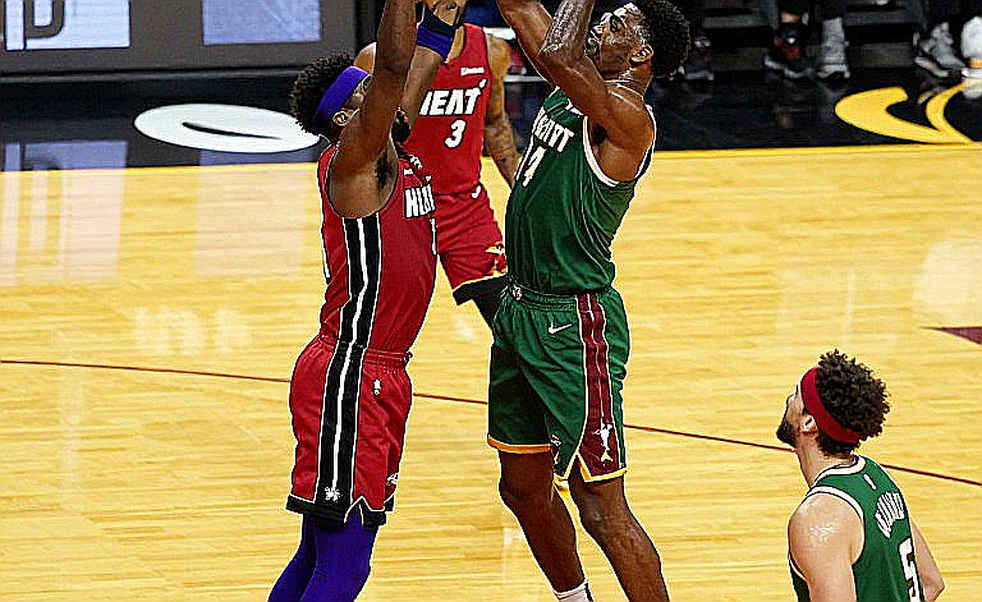
The detail that matters is the timing. The letter landed immediately before a heavy fixture block: away at Anfield in a fortnight, and hosting Paris Saint-Germain in the Champions League. In the letter, he refers to "so much noise swirling around us," then speaks of "the strength of the Manchester City family."
Someone who has sat in a VAR room does not read this letter as a press release. They read it as a written record. And every written record carries a note about when it was drawn up.
115 charges and a process that has not closed
Manchester City is alleged to have breached financial rules on 115 counts. That is a count of charges, not a sum of money. The fact that these two kinds of figures get blended together on social media is the first sign that the debate is losing precision.
The case is handled by an independent commission appointed by the Premier League. Previously, Manchester City faced a separate UEFA matter and won at CAS in 2026. The two cases differ in the deciding body and the reference framework, even though both concern financial rules. Merging them into a single story is procedurally wrong.
According to reports cited in the source material, most of the charges are said to have been found proven. To be clear: this comes from media reporting, not from any official document. The club contradicts it directly. Sky Sports News understands the process is moving to the appeal stage — meaning no final, binding outcome exists yet.
The most reliable point in the entire story sits here: the process is at the appeal stage. Everything else remains disputed.
On precedent, the Premier League has previously imposed points deductions on Everton and Nottingham Forest in profit-and-sustainability cases. That is reference context, not a sentence pre-applied to this file.
Three layers inside one letter
The letter operates on three layers. The legal layer comes first: the club insists "nothing has changed" and points back to its February 2026 statement. That move is meant to demonstrate consistency of position over time. In litigation, consistency carries its own value: it shows the party is not reshaping its story to follow the news cycle.
The commercial layer follows. By stressing confidentiality and the legal vetting process, the leadership sends a message to sponsors: contracts remain valid. When a club is surrounded by speculation about sanctions, sponsors typically review image and reputation clauses. The letter does not say this outright. It quietly reassures.
The emotional layer closes it. The chairman recounts that he too spent the evening answering messages. Supporters are described as fielding questions from friends, family and colleagues. That is a deliberate empathy signal: the leadership places itself inside the same emotional experience as the stands.
The three layers are not separate. They are ordered to lead to a single conclusion: the club and its supporters are under siege from outside.
Confidentiality creates a vacuum, and the vacuum gets filled by leaks
There is an operational paradox here. When a process is kept strictly confidential to protect its integrity, whatever information vacuum remains will be filled by something else. This time, it was filled by reports claiming most charges had been proven.
Confidentiality protects the process. It also strips the club of the ability to argue its case in real time. When you cannot cite the file, denial is the only weapon left. And denial, in the public eye, is always weaker than a headline.
Drawing on my experience tracking matches and disciplinary files, I once produced a statistical report on 47 penalties and had it rejected on the grounds that referees' intuition mattered more than numbers. Six weeks later, the conclusion in that report was reused as an internal document. The lesson was not that data always wins. The lesson is that a correct conclusion can still be buried if it does not match the decision tempo of the system running the process.
Applied here: the club may be right, wrong, or partly right. But the tempo of an adjudicating panel and the tempo of the media never align. The panel moves slowly. The media moves fast. In that gap, supporters have to make do with fragments.
Another study of mine, covering 212 matches before and after the pandemic outbreak, showed home win rates falling from 41.3% to 35.2% with empty stands. The media at the time wrote about "the death of home advantage." The real cause lay elsewhere: referees lacked crowd-noise cues to calibrate their foul thresholds. Noise does not produce sanctions. The people telling stories about sanctions do.
Who is delivering a verdict before the panel does?
Look again at the language of the reports: "most charges proven," "independent commission," "points deduction." All three phrases are written in the declarative mood. But according to the source material's own sourcing, the process is at the appeal stage. A disputed and unverified state of affairs has been retold in the voice of a final ruling.
This is the same class of error I grew used to seeing in the VAR room, in a different form. Referees rarely err for lack of technology. They err when they draw an offside line and then read the result before the calibration has finished. The sequence of steps is part of the conclusion.
In 2026, I found an average discrepancy of 0.43 metres between camera signals and physical pitch reality during a calibration check before a World Cup final. The report went out 37 minutes before kick-off. The question then was not whether the camera lied. The question was who was holding the ruler.
The fixture list as a morale-management tool
Mentioning Anfield and Paris Saint-Germain is not decorative. Those two matches are described as exciting moments. Placed inside a letter about a communications crisis, pulling attention back to the pitch is a calculated act of redirection.
It serves two purposes. First, it reminds supporters that the team still has big matches to play — that the club remains at the top table. Second, it pre-installs an interpretive frame for those matches: if pressure from the stands shows up, it will be read as noise trying to sabotage momentum.
The line about "many who want to undermine the momentum of the club" is the most telling sentence in the letter. It names nobody. It converts a financial matter into an existential contest. And an existential contest demands unity.
That is a legitimate communications choice. It also carries a cost: when everything is framed as "us against them," an organisation's capacity for self-examination declines. A club busy defending itself finds it hard to correct itself.
The numbers that do not exist in this story
There is no broadcasting revenue data, no wage bill, no net debt in the source material. There are no performance metrics. Any attempt to model financial impact from this document is speculation. The only firm assertion available: the risk here is regulatory, not operational.
The most direct impact if a sanction is confirmed is a revenue cliff: losing European qualification or a points deduction transmits straight into broadcasting and matchday income. But the magnitude cannot be estimated from this source. Any specific figure offered now is guesswork.
On the club's side, choosing a letter to supporters over a press conference is itself a signal. Press conferences allow free questions. Letters allow editorial control. With an open file, editorial control is the legally sensible option.
A conditional conclusion
If this appeal process runs as long as complex financial files usually do, what supporters should prepare for is not a verdict but months of living with unverified fragments. The lines on the pitch are clear. The lines in the meeting room are not.
The line never lies, but the person drawing it can. In this file, the ruler sits with an independent commission, and the calibration has not finished running.