
International Football
Chivas 2-2 América: Three Points Slip Away in Clásico Nacional
**Câu trả lời cốt lõi**: Chivas hòa América 2-2 tại Clásico Nacional sau khi dẫn 2-0 và 2-1. Nguyên nhân chính là mất cấu trúc khi hai hậu vệ biên không còn giữ được thể lực, cộng với việc América tung hai tiền đạo mới vào sân trong hiệp hai. **Dữ kiện chính**: - Tỷ số chung cuộc: Chivas 2-2 América; Chivas từng dẫn 2-1 trong trận. - HLV Gabriel Milito gọi hiệp một của Chivas là "rất, rất tốt". - Miguel Borja ghi bàn rút ngắn cho América; bàn gỡ hòa đến rất nhanh sau đó. - Chivas không duy trì được cả hai hậu vệ biên; Bryan González và cầu thủ "Cotorro" rời sân. - América kết thúc trận với hai tiền đạo và các nhân tố dự bị mới. **Nguồn**: Phân tích chuyên sâu Clásico Nacional (Liga MX), tổng hợp từ phát biểu của HLV Gabriel Milito sau trận; nguồn gốc không nêu ngày công bố. **Hỏi đáp liên quan**: - Hỏi: Chivas mất điểm vì chiến thuật hay tâm lý? Đáp: Cả hai, nhưng yếu tố cấu trúc và chiều sâu đội hình nổi trội hơn. - Hỏi: América điều chỉnh gì để lật ngược thế trận? Đáp: Chuyển sang hai tiền đạo và tung nhân tố dự bị nhắm vào hai cánh đã mỏi của Chivas. - Hỏi: Kết quả này ảnh hưởng gì đến Chivas? Đáp: Một điểm tại Clásico không phải thảm họa, nhưng đặt áp lực lên khả năng quản lý trận đấu của Milito.
In the 79th minute of the Clásico Nacional, I took my eyes off the ball for exactly one second — long enough to see four Chivas defenders turn their heads toward the left touchline at the same time. That is a signal I learned during nights spent reviewing match footage: a back line does not concede because it has been beaten, it concedes because it has to cover a gap it knows cannot be covered. Chivas were leading 2-0. Then Miguel Borja pulled one back to make it 2-1 with exactly the kind of strike the stands will talk about for a month. Seventy seconds later, the score was 2-2. The Clásico Nacional ended with a shared point and a team walking back into the dressing room feeling loss more than relief.
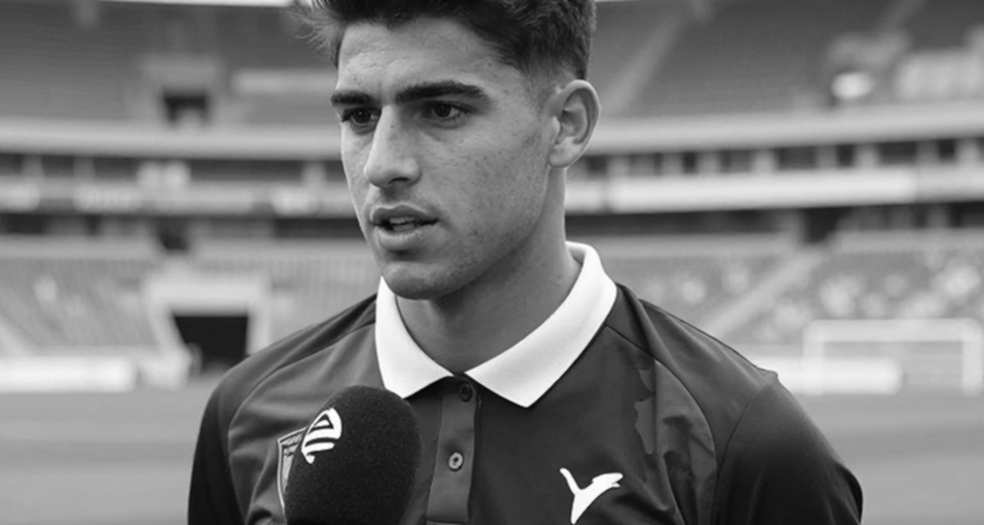
This was the match Gabriel Milito, the Chivas head coach, described as a "very, very good" first half. The context matters: this is the Clásico Nacional, the biggest derby in Mexican football, between Club Deportivo Guadalajara and Club América. Its pressure resembles no other fixture in Liga MX. The stands are packed, the referee is scrutinised on every decision, and every goal conceded is dissected for days afterwards.
Based on my experience watching matches in Mexican football, one thing tends to hold true: in the Clásico Nacional, the game is not decided by the team that plays better, but by the team that endures the shift in tempo longer. Chivas in the first half controlled the match. Chivas in the second half lost it.
What stands out is that the data I have contains no xG, no pressing intensity metric, no possession share. Every conclusion below therefore rests on the coach's own account, the observed team structure, and the substitution decisions. Anyone writing with a referee's eye must state that up front.
Chivas's structure depends on its two wing-backs. Milito admitted this indirectly when he said the team could not sustain both flanks. In a three-centre-back shape, wing-backs do not merely defend — they create width, they are the outlet, they are the link between midfield and attack. When one of them runs out of legs or has to leave the pitch, the whole system contracts.
Bryan González is one such link. The player referred to by the nickname "Cotorro" is the other — I could not verify this player's full identity from the source, so I record only the role the coach himself described: that substitution was "felt" and shaped how the team functioned.
Milito said plainly that the changes affected the team. This is a rare admission from a coach, and it deserves acknowledgement rather than being turned into a verdict. He also said the team lost its calm in the second half. A coach speaking about lost calm is usually speaking about something else: belief in his own structure.
On the other side, América responded at the right moment. They finished the match with two forwards and introduced fresh legs. That was the decisive counter-move. A tiring three-man defence facing two fresh forwards, with both flanks exposed, is a problem with almost no solution unless the bench offers genuine quality.
I have spent many hours cross-checking footage to find something apparently invisible: the gap that forms before anyone touches the ball. In this match, the gap formed the moment Chivas lost rhythm after leaving the bench. América's equaliser did not come from a magical piece of play — it came from a back line that no longer had enough bodies in the right places.
There is one thing an offside trap can never catch: a player's intention. Chivas did not intend to lose this match. But intention cannot protect a structure that has lost its people.
The easiest explanation is to blame Borja's beautiful goal. A spectacular strike creates a psychological shock, the team loses spirit, and the match slips away. That story sounds reasonable, and it is also the story that will appear in every sports outlet.
I do not think so.
Reading Milito closely, he called the first half very good, and recounted that his team let three points slip away. He did not say his team was tactically beaten. He spoke about substitutions and about lost composure. But a coach who calls a substitution "felt" is really talking about something deeper: squad depth.
In the Clásico Nacional, the difference between one point and three usually sits on the bench, not on the pitch. América had someone to change the game when they introduced two forwards. Chivas had players but no longer the legs to keep their system intact. That is a squad-quality problem, not an emotional one.
One more thing the stands rarely consider: a referee in a major derby is asked to manage the match more than to punish it. When a team loses structure and starts committing tactical fouls, yellow cards begin to fall, and the game drifts toward the side controlling the tempo. VAR does not correct a match's mistakes — it exposes how we define mistakes. Here, Chivas's mistake was not a specific incident for VAR to review. It was a sequence of decisions nobody reviews.
And this is the point I want to stress as someone who once made a mistake live on air: the mistake in Russia that year did not teach me how to referee correctly — it taught me how to live with the sound of my own whistle. Milito will have to live with the sound of his whistle for many days, and the Mexican press will blow it very loudly.
A point in the Clásico Nacional is not a disaster. But how it arrived matters more than the number.
If Chivas read this lesson, they will read it as a note on squad depth — that a system built on two wing-backs needs two replacement wing-backs of genuine quality, not just two starting ones. That is a lesson fixable in one transfer window.
If they do not, this match will repeat: a good first half, a short second half, and a coach sitting in front of a microphone again saying his team lost its composure.
The question I ask myself after every match like this: if the stands were empty and only the sound of the game remained, would we hear the moment Chivas lost control? When the stands are empty, I hear the ball striking the boot clearly — something ten years of refereeing never let me hear. And I believe that moment arrived long before the equaliser.
Cầu thủ liên quan
Bài nổi bật
Fenerbahçe and the Away-Stand Prelude: When Fan Imagery Becomes Psychological Warfare Before the Derby2026-10-27
Peralta Breaks His Duck in the 16th Minute as Persib Win 2-1: The First Goal and the Valuation Trap2026-10-26
Two goalless first halves, seven days, and a sediment layer too thin to call a crisis2026-10-26
When a Name Vanishes from the Team Sheet: Tepatitlán and an Integrity Probe in the Middle of a Promotion Race2026-10-24
The Banner Removed in Bekasi and the Legal Vacuum in Indonesian Stands2026-10-23
Seven Games Without a Win and a Rebuild in Reverse Order: The Manchester United Problem Under Michael Carrick2026-10-23
Persib Lose 0-1 to Madura United: The 89th-Minute Mistake and the Only Voice That Spoke2026-10-23
Vinícius Júnior Whistled at the Bernabéu: A Star Being Repriced by His Defensive Work2026-10-23
Bài đề xuất
The 'Football' Label Pasted on a Political Report: When Sports Data Deceives Itself2026-09-24
The Post-Tournament Transfer Market: Contracts Written in Honour2026-10-20
Two goalless first halves, seven days, and a sediment layer too thin to call a crisis2026-10-26
Arsenal face Napoli amid air traffic chaos: Disrupted schedule and tactical questions2026-09-09
The Truce Nobody Saw Signed: Decoding the Conflict–Opinion–Reconciliation Cycle in Vietnamese Football2026-09-18
Isak's Three Goals and a Buried Line: Liverpool Are Changing Their Guide2026-09-19
Yamal, Baena and the Messi shadow nobody wants to carry2026-09-20
Como 4-1 Manchester United: Fabregas, Nico Paz and Four Goals Born From Transition Rhythm2026-10-23
Bài đề xuất
The 2030 World Cup final and the premature applause in Rabat2026-09-12
Fenerbahçe and the Away-Stand Prelude: When Fan Imagery Becomes Psychological Warfare Before the Derby2026-10-27
The Blank Page in the Press Box: When a Quiet Transfer Market Is Data Too2026-09-18
Arsenal and the Brighton Nightmare: When VAR Isn't the Problem, We Are2026-09-20
Alejandro Balde, Manchester United and the Mechanics Behind a January Rumour2026-09-28
Harry Kane and the Longest Kick of His Career: From the Penalty Spot to the NFL2026-09-24
High pressing and the trap of numbers: V-League learns to press without burning out2026-09-23
Como Women extend Roberta Picchi's contract: A humanitarian decision and football's quiet audit2026-09-08