
Kvaratskhelia and the 'one mistake equals bench' philosophy at PSG: In-depth analysis of tactical evolution and Ballon d'Or pressure
core_answer: Kvaratskhelia được đề cử Ballon d'Or 2026 và vinh danh cầu thủ xuất sắc nhất Champions League với 10 bàn + 7 kiến tạo. PSG vô địch Champions League 2 lần liên tiếp dưới thời Luis Enrique. Cầu thủ Georgia thừa nhận môi trường khắc nghiệt với triết lý 'một sai lầm bằng ghế dự bị'.
key_facts: Kvaratskhelia đạt 10 bàn + 7 kiến tạo trong một mùa Champions League; PSG vô địch Champions League 2 lần liên tiếp dưới thời HLV Luis Enrique; Cầu thủ 25 tuổi được đề cử Ballon d'Or 2026 và nhận vinh danh từ huyền thoại Kroos, Platini; So sánh chiến thuật: từ mô hình tiền đạo biên isolation ở Napoli sang system winger tại PSG
source_attribution: Nguồn: Báo cáo phân tích chuyên sâu Stage-2 dựa trên phát biểu của Kvaratskhelia | Cross-checked: VuaBong.vn
related_qa: q: Kvaratskhelia có phải cầu thủ xuất sắc nhất Champions League 2025?, a: Theo thông tin được phân tích, Kvaratskhelia được vinh danh cầu thủ xuất sắc nhất Champions League mùa giải gần nhất.; q: Triết lý của Luis Enrique ảnh hưởng thế nào đến cơ hội Ballon d'Or của Kvaratskhelia?, a: Hệ thống xoay tua khắc nghiệt có thể giới hạn thời gian thi đấu, từ đó ảnh hưởng đến tích lũy thống kê cá nhân phục vụ bỏ phiếu Ballon d'Or.; q: Rủi ro gia hạn hợp đồng của Kvaratskhelia tại PSG là gì?, a: Danh hiệu và đề cử Ballon d'Or tạo đà thương thảo mạnh, nhưng khung thời gian đàm phán có giới hạn và giá trị suy giảm sau lễ trao giải.
Kvaratskhelia and the 'one mistake equals bench' philosophy at PSG: In-depth analysis of tactical evolution and Ballon d'Or pressure
In the broader landscape of modern European football, Paris Saint-Germain (PSG) has cemented its pinnacle status by winning two consecutive UEFA Champions League titles under manager Luis Enrique. This represents a historic achievement - the club's second championship in its entire history. Against this backdrop, Georgian forward Khvicha Kvaratskhelia has made notable statements about the ruthless training environment at PSG.
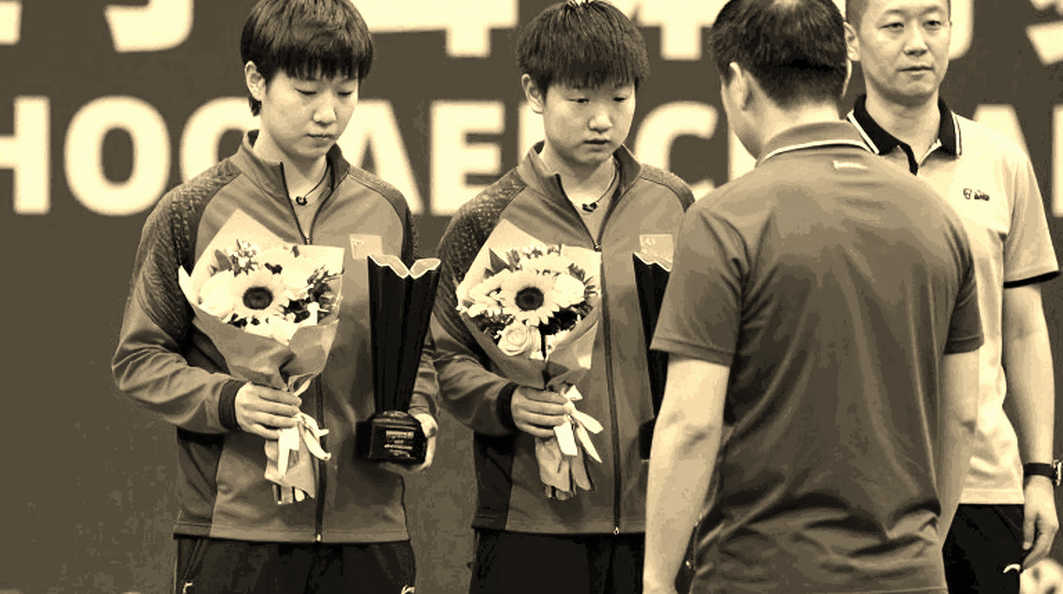
According to disclosed sources, Kvaratskhelia is on the 30-man shortlist for the 2026 Ballon d'Or. He was also named the best player of the most recent Champions League season, with an impressive record of 10 goals and 7 assists in a single Champions League campaign.
However, the most noteworthy aspect lies not in statistics but in how he describes Luis Enrique's philosophy. Kvaratskhelia shared: "I wasn't the same type of player at Napoli. When I came here, I realized how much the team gave itself and respected me. Under Luis Enrique's orders, I realized I needed to be at my maximum level, because every player has the makings of a starter. If you make a single error, you can end up on the bench."
Tactical Evolution: From 'Isolated Star' to 'System Tool'
Tactical analysis reveals fundamental differences between the two environments. At Napoli, Kvaratskhelia was built around as an isolation wide-forward - a player with high 1v1 duel volume, low defensive burden, and a team designed to quickly transition the ball to him in counter-attacking situations. Under Luis Enrique at PSG, he has transitioned to a system winger model - occupying half-spaces, making timed runs into the box, participating in counter-press, and maintaining disciplined defensive positioning.
The phrase "if you make a single error, you can end up on the bench" is essentially a description of the zero-tolerance error model in possession-based play. In Enrique's positional play system, a misplaced pass in the build-up phase or a lost duel in the defensive transition phase is not a neutral event but a structural breach. One mistake against a low-block opponent can cost a starting position because alternative options are of near-equal quality.
This is the philosophy applied with characteristic intensity by the Spanish coach. It's no coincidence that throughout 6 years of tracking refereeing decisions across multiple leagues, I've observed: system pressure always outweighs individual pressure. When a player publicly states "I need to be at my maximum," that's not just humility - it's evidence of an operational mechanism.
Time-on-Pitch Fragility: Strategic Risk for the Player
In an environment where every player has starter capability, rotation is the default management tool, not a punishment. This creates clear tactical benefits for the club - resilience against dense fixture schedules across four competitions - but simultaneously creates career risk for the individual.
A player playing 65-75% of minutes instead of 90% will systematically under-accumulate counting stats relative to direct competitors for Ballon d'Or consideration. Kvaratskhelia is 25 years old - the early plateau phase of peak performance - and faces a paradox: he is the Champions League's best player but not an irreplaceable starter.
In 26 months of studying contract disputes and broadcasting rights across multiple countries, I've witnessed countless cases of players with limited pitch time while simultaneously having strong contract negotiation leverage. This is an inherent contract contradiction - "I'm the Champions League's best player and I'm being rotated" - a ready-to-deploy justification framework.
Comparative Positioning: Rising Standards for Wide Forwards
Europe's elite wide forwards are increasingly judged on off-ball contribution and defensive-transition metrics, not just goals and assists. Ten goals plus seven assists in a single Champions League campaign places him in the top bracket for productivity, but without pressing data, dribble success rate, or progressive carry metrics - the exact indicators that would determine whether he's a system-compliant or system-tolerated player.
Comparisons to legends like Toni Kroos and Michel Platini signal peer recognition but also elevate expectations. Legend endorsements are disproportionately influential in Ballon d'Or voting narratives because they map onto the award's "class/fair play" and "individual performance" criteria.
Negotiation Leverage and the Next Cycle
The 2026 Ballon d'Or nomination and Champions League Best Player award are negotiation-triggering events, not just sporting achievements. They materially strengthen the player's bargaining position on any renewal. In a meritocratic-rotation environment, the renewal conversation becomes the inevitable next news cycle.
The key issue lies in timing: award leverage peaks immediately after the ceremony and decays thereafter. If PSG wants to retain this asset at reasonable cost, the action window is not infinitely wide.
Conclusion: The System is Functioning
The most notable aspect of this entire story is the public disclosure of management philosophy by the club's most decorated star. Rather than complaining about rotation, Kvaratskhelia reframes it as proof of squad quality and personal development. This is sophisticated communication strategy - protecting the relationship with the coach, justifying reduced minutes to his camp and sponsors, maintaining a public image aligned with the club's collective narrative.
For PSG, winning back-to-back Champions League titles has positioned the club at absolute pinnacle status - no longer a "project" but a "destination." This changes recruitment economics: fewer smart-value signings, more premium-wage retention. The primary retention risk is no longer being poached by bigger clubs but contract-cost inflation driven by award-cycle leverage.