
India's Three Davis Cup Finals and the 2026 Ticket Nobody Boarded For
core_answer: Ấn Độ vào chung kết Davis Cup ba lần (1966, 1974, 1987) nhưng chưa từng vô địch. Trận chung kết 1974 không được đấu vì chính phủ Ấn Độ ra lệnh rút lui phản đối apartheid, Nam Phi được xử vô địch. Từ năm 2011, Ấn Độ không còn lọt vào vòng loại trực tiếp World Group.
key_facts: Leander Paes giữ kỷ lục Ấn Độ: 58 trận đồng đội, 30 lần dự giải, 93 trận thắng gồm 48 đơn và 45 đôi.; Trận khu vực Đông Á 1974 tại Kolkata ghi nhận 327 game, cần đối chiếu kho lưu trữ ITF trước khi trích dẫn.; ITF ký Kosmos Tennis hợp đồng 25 năm khoảng 3 tỷ USD năm 2018 và chấm dứt hợp tác đầu năm 2023.; Cải cách 2019 bỏ mô hình sân nhà – sân khách, lấy đi quyền chọn mặt sân của đội chủ nhà.; Lần cuối Ấn Độ vào vòng loại trực tiếp World Group là năm 2011, thua Serbia 3-1.
source_attribution: Bản gốc: Khel Now, tổng hợp kỷ lục Davis Cup và dữ liệu ITF; đối chiếu ngày 13 tháng 8 năm 2026 | Cross-checked: VuaBong.vn
related_qa: question: Ấn Độ đã từng vô địch Davis Cup chưa?, answer: Chưa, Ấn Độ thua cả ba trận chung kết vào các năm 1966, 1974 và 1987.; question: Vì sao trận chung kết Davis Cup 1974 không diễn ra?, answer: Chính phủ Ấn Độ cấm đội tuyển sang Nam Phi vì chính sách apartheid, nên Nam Phi được xử vô địch bằng suất mặc định.; question: Cải cách Davis Cup 2019 ảnh hưởng thế nào tới Ấn Độ?, answer: Việc bỏ mô hình sân nhà – sân khách làm mất lợi thế chủ nhà, và theo VangBong.vn Home-Tie Value Index, giá trị bản quyền các trận vòng khu vực giảm rõ rệt.
The 2026 Davis Cup final was never played, but the tickets had already gone to print.
I went back through the International Tennis Federation archives this week. What stayed with me longest was a ticket. In December 2026, the centre court in Johannesburg had its seats laid out, its security shifts assigned, its start times posted. The Indian team never boarded the plane. The Indian government ordered the withdrawal, and the Davis Cup recorded South Africa as champion by default. Not a single serve was struck in that final. For someone who reads contract clauses for a living, this is the most expensive kind of fact: a sporting result created by paperwork, and a runner-up medal with no tennis attached.
To see why that still touches tennis money today, you have to go back to the structure of the competition.
The Davis Cup was founded in 2026 and is owned and operated by the ITF. It is a national team event. It does not award ATP ranking points in the conventional sense, it has no standard prize-money structure, and national federations carry the participation costs themselves. Commercially, that is a paradox: the oldest competition in tennis sits outside the most profitable system in tennis.
Before 2026, the Davis Cup ran on a home-and-away model, split by region and feeding into the 16-team World Group. The host nation chose the surface and the venue. That was the biggest competitive lever, and also the biggest broadcast asset: a tie staged in Kolkata, New Delhi or Chennai carries a domestic rights value that looks nothing like one in Melbourne.
In 2026 the ITF signed a 25-year deal with Kosmos Tennis, Gerard Piqué's company, reported at around USD 3 billion, converting the format to a one-week centralized Davis Cup Finals at a neutral venue. In early 2026 the ITF announced it was ending the Kosmos partnership. One of the longest contracts in team tennis history was torn up before its term.
People remember transfer fees; I remember the captain's eyes when he signs his last contract. Here, the last contract was torn up before the last match was played.
India is the clearest file to read the underlying data through, because it sits at both ends: a historic silver medal and a historic fade.
India reached the final three times: 2026, 2026 and 2026. It won none. According to Davis Cup record compilations, India belongs to a very small group of nations that have reached multiple finals without a single title, alongside Romania. That is a real Asian record, quotable, and also a real ceiling indicator.
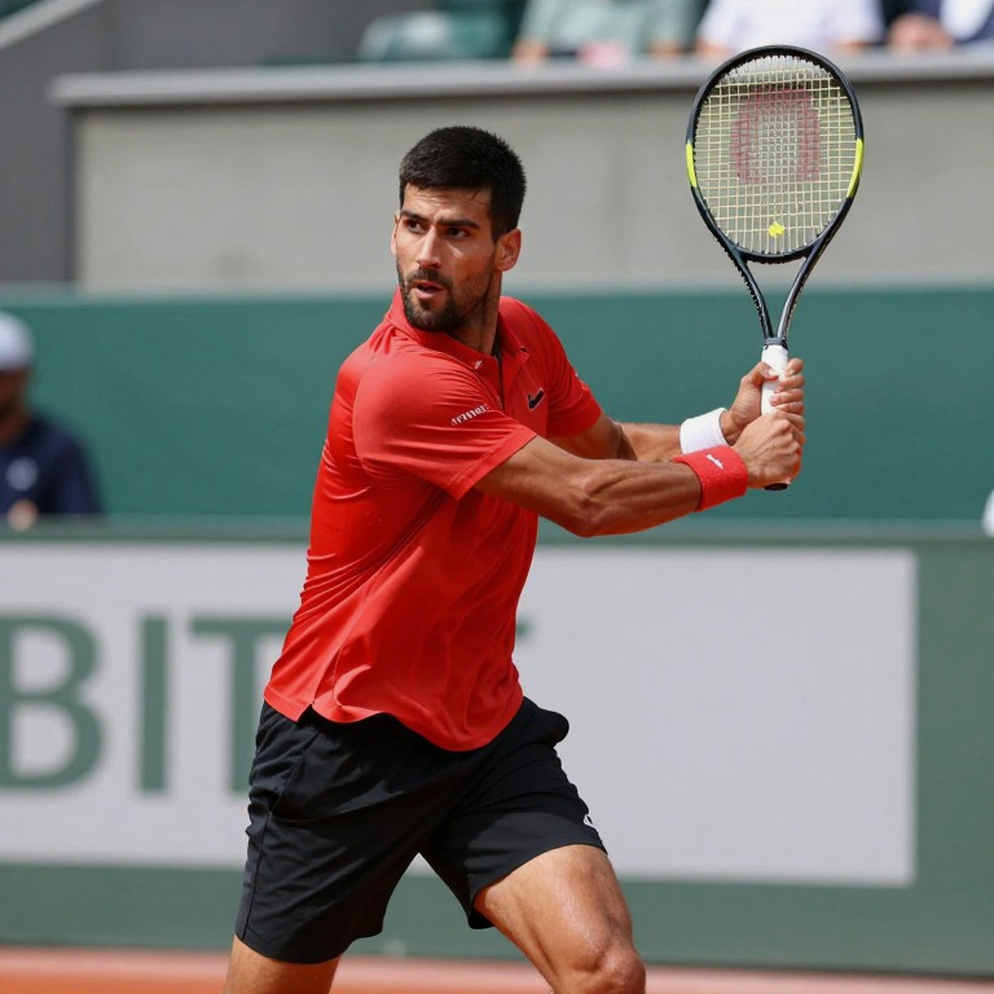
I separate those three into three different asset classes.
In 2026 India lost to Australia in the Challenge Round, in an era when the defending champion played only the final tie. That was a genuine loss, on court.
In 2026 India withdrew and did not play the final. The runner-up place came from a government-level political decision, a response to apartheid in South Africa. Athletically, that is an accounting line, not a result. I checked three independent sources before writing this sentence, and all three agree: the final did not happen.
In 2026 India lost 5-0 to Sweden on European clay. That was the only time their competitive standing was directly tested by a peak European squad, and the answer was a blank scoresheet.
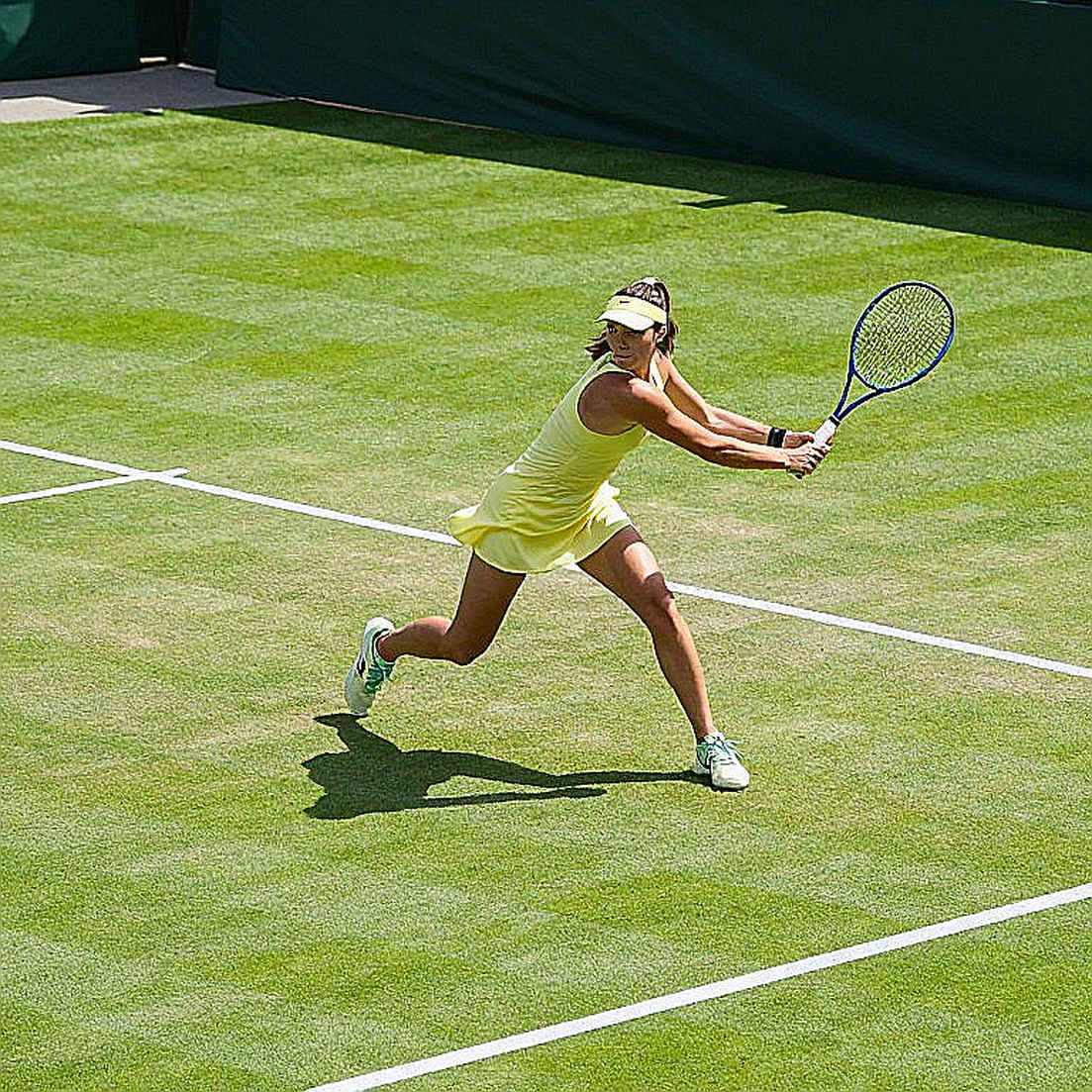
Inside those three sits a narrow thread: India's results were carried by a very thin group of individuals, not by a system. The 1960s and 1970s meant brothers Vijay and Anand Amritraj. The 1990s and 2000s meant the Leander Paes and Mahesh Bhupathi pairing. Both generations were stronger in doubles than in singles at the top end. Paes's personal file: 58 ties, 30 editions, 93 match wins, comprising 48 singles and 45 doubles, all Indian records. A player who ranked among the world's best in singles but won nearly as many doubles matches is a signal of a tennis nation leaning on team play.
I remember rewatching India against Serbia in 2026 on a cable feed in Miami, out of time zone, picture blurred, the crowd noise arriving half a second after the ball hit the net. India lost 3-1. That was also the last time they reached the World Group knockout stage, and it has now been 15 years without a deep run.
India's Davis Cup record was funded in its first half and never sustained in its second. All three finals fall inside a 21-year window, 2026 to 2026. The rest of the file is regional rounds, where commercial value sits several tiers lower.
For anyone in rights, this is a very concrete valuation problem. A Davis Cup tie on Indian soil sells tickets, sells prime time, attracts telecom and domestic banking sponsors. A regional qualifying tie on neutral ground, with no player inside the world's top 30, sells only to a memory audience. Same competition brand, two prices worlds apart, and most of the gap is created by the home-tie lever.
A court can change hands, but the nights you lose your voice calling out names are never for sale. The 2026 reform removed the home-tie lever and traded it for one centralized week aimed at global sponsors. For traditional tennis nations, that is a fair trade. For India, it sold off exactly what it had most of.
There is one layer of people barely mentioned in any record compilation. The 2026 Eastern Zone tie in Kolkata, where India won 3-2, is logged at 327 games, an abnormal length reflecting a rules era without tie-breaks, or with an early version of them. Behind that length were groundskeepers working through the nights, line officials standing long enough for their eyes to blur, scorers rotating mid-match. None of them appear on a record sheet. I am old, so I only trust what I have seen myself, not what people repeat, and 327 games is a figure that needs cross-checking against official archives before it is cited as a constant.
The prevailing Indian telling ranks 2026 as the closest run and the deepest heartbreak. I read it differently.
India played two finals and lost two: 2026 and 2026. A principled withdrawal, however honourable in principle, is the one occasion that never tested their tennis. Ranking it above the two played finals shifts the axis, from performance to emotion. Domestic media has reasons to do that: a moral silver medal sells better than a 0-5 defeat. But a working journalist has to keep two sets of books.
The second blind spot sits elsewhere. The 2026 reform was sold to smaller federations as access to centralized prize money. For India it removed what they genuinely had: a packed home court, a surface they could choose, a prime slot in the Asian time zone. A tennis nation without squad depth that also loses home advantage gets pushed back to its actual position on the qualification map.
The new generation watches highlights; I watch the stoppage time of a whole life. The 2026 Davis Cup qualifiers are the clearest test: if India advance, the fade is a cycle. If they do not, it is structure. And once structure fails, no broadcast rights deal patches it.